


 Cart
Cart
 sales@molnova.com


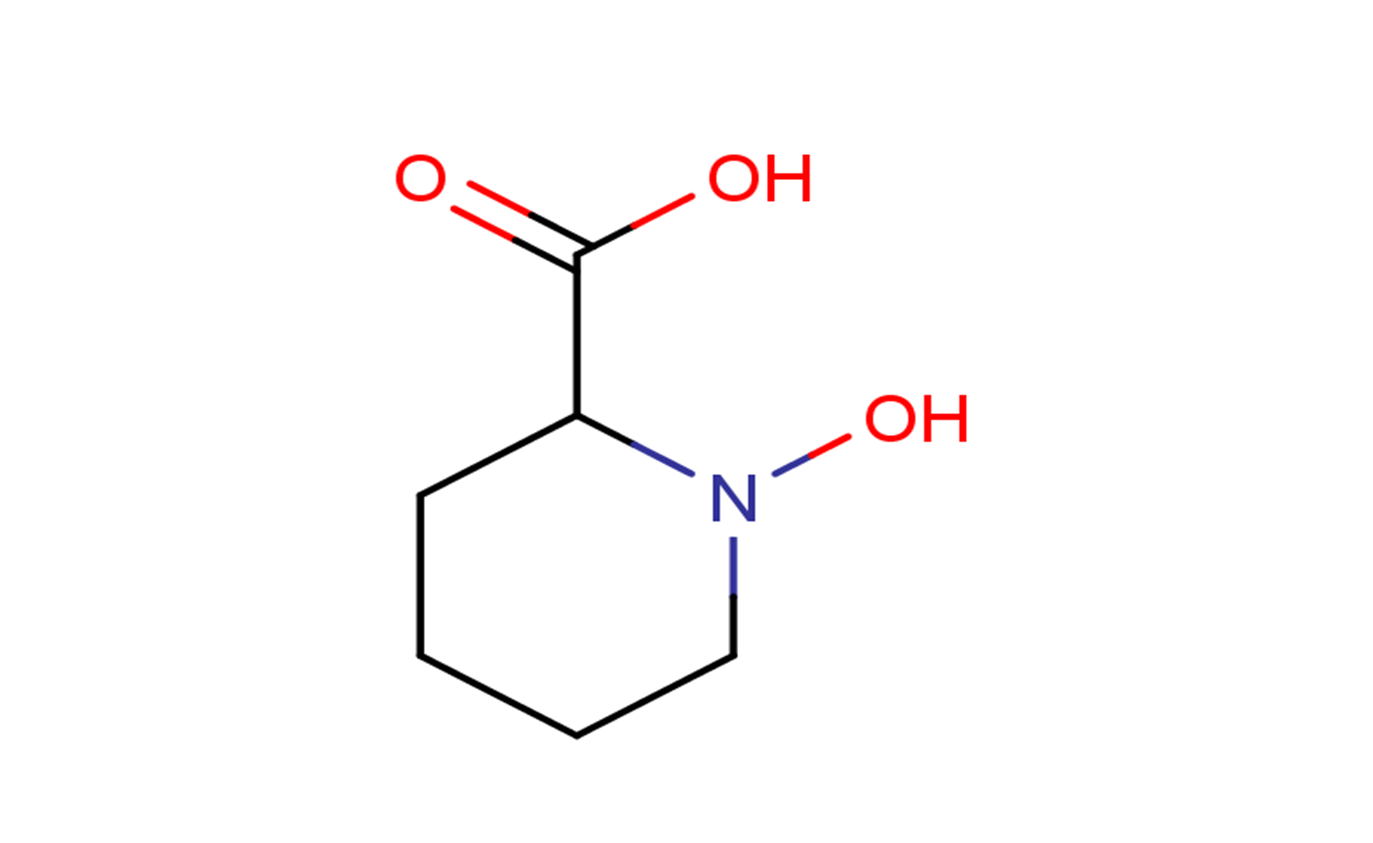
N-Hydroxypipecolic acid
CAS No. 115819-92-6
N-Hydroxypipecolic acid( 1-Hydroxy-2-piperidinecarboxylic acid | NHP )
Catalog No. M23336 CAS No. 115819-92-6
N-Hydroxypipecolic acid is a plant metabolite and a systemic acquired resistance (SAR) regulator.
Purity : >98% (HPLC)
 COA
Datasheet
HNMR
HPLC
MSDS
Handing Instructions
COA
Datasheet
HNMR
HPLC
MSDS
Handing Instructions
| Size | Price / USD | Stock | Quantity |
| 2MG | 48 | In Stock |


|
| 5MG | 77 | In Stock |
|
| 10MG | 138 | In Stock |
|
| 50MG | 262 | In Stock |
|
| 100MG | 337 | In Stock |
|
| 200MG | Get Quote | In Stock |
|
| 500MG | Get Quote | In Stock |
|
| 1G | Get Quote | In Stock |
|
Biological Information
-
Product NameN-Hydroxypipecolic acid
-
NoteResearch use only, not for human use.
-
Brief DescriptionN-Hydroxypipecolic acid is a plant metabolite and a systemic acquired resistance (SAR) regulator.
-
DescriptionN-Hydroxypipecolic acid is a plant metabolite and a systemic acquired resistance (SAR) regulator.
-
In Vitro——
-
In Vivo——
-
Synonyms1-Hydroxy-2-piperidinecarboxylic acid | NHP
-
PathwayOthers
-
TargetOther Targets
-
RecptorSAR
-
Research Area——
-
Indication——
Chemical Information
-
CAS Number115819-92-6
-
Formula Weight145.16
-
Molecular FormulaC6H11NO3
-
Purity>98% (HPLC)
-
SolubilityDMSO:83.33 mg/mL (574.06 mM; Need ultrasonic)
-
SMILESO=C(C1N(O)CCCC1)O
-
Chemical Name——
Shipping & Storage Information
-
Storage(-20℃)
-
ShippingWith Ice Pack
-
Stability≥ 2 years
Reference
1.Hartmann M, et al. N-hydroxypipecolic acid and salicylic acid: a metabolic duo for systemic acquired resistance. Curr Opin Plant Biol. 2019 Aug;50:44-58.
molnova catalog



related products
-
CFTR (108-117), Pseu...
CFTR (108-117), Pseudomonas aeruginosa Inhibitor
-
5-TAMRA-SE
5-TAMRA-SE is an amine-reactive fluorescent agent, its conjugates yield bright, pH-insensitive orange-red fluorescence (approximate excitation/emission maxima ~546/579) with good photostability.
-
Salnacedin
Salnacedin (G-201) is a small molecule compound used in the treatment of immune system disorders, skin and musculoskeletal disorders, and can be used in studies of acne vulgaris, dermatitis and psoriasis.
